JD Gyms – Manchester
Urban strength space engineered for performance and flow
Balanced Amenity
Refurbishment of changing rooms, lockers, showers, and sauna facilities alongside gym zones improves member experience and adds value — turning a gym into a more complete fitness offering.
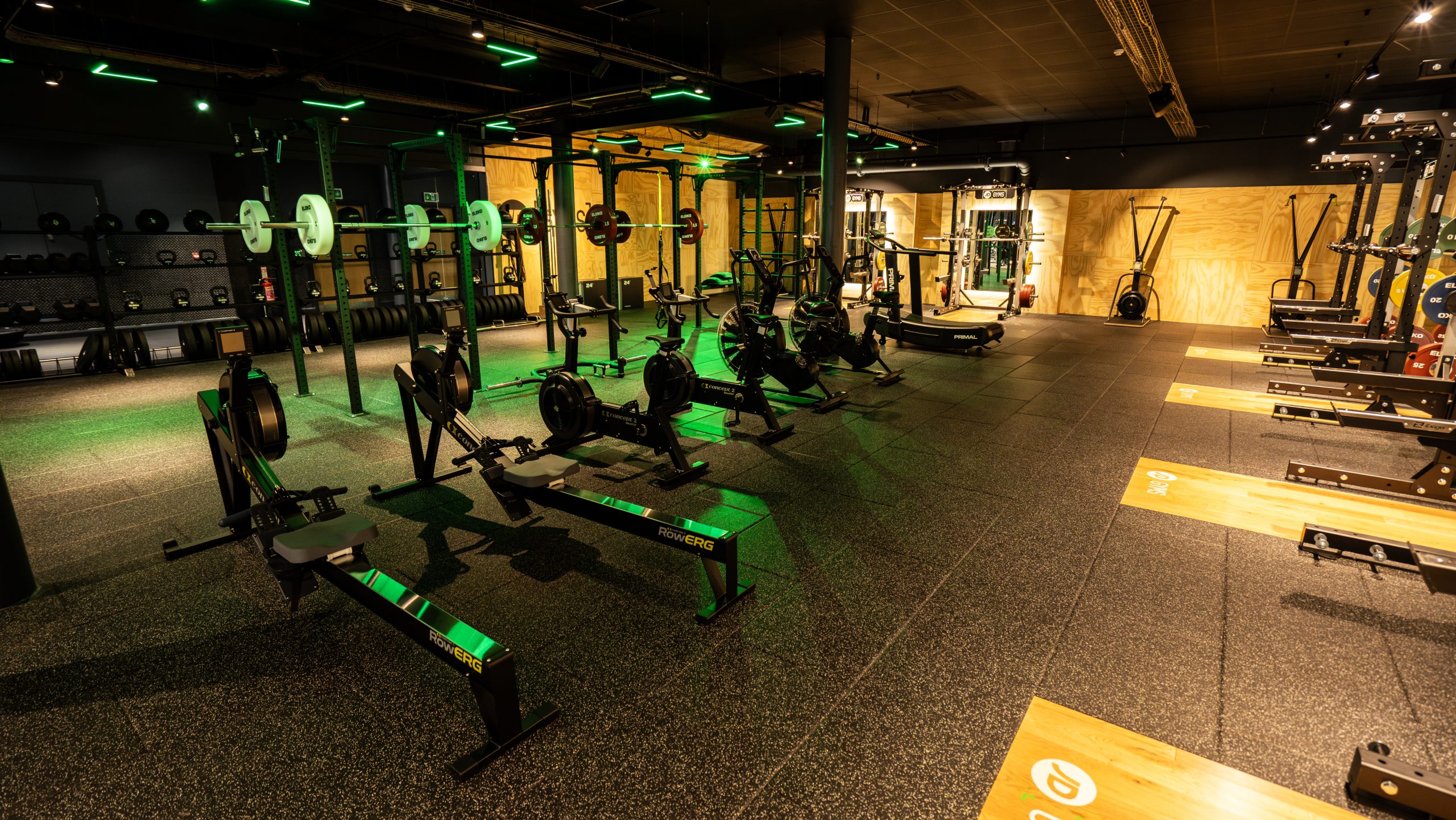
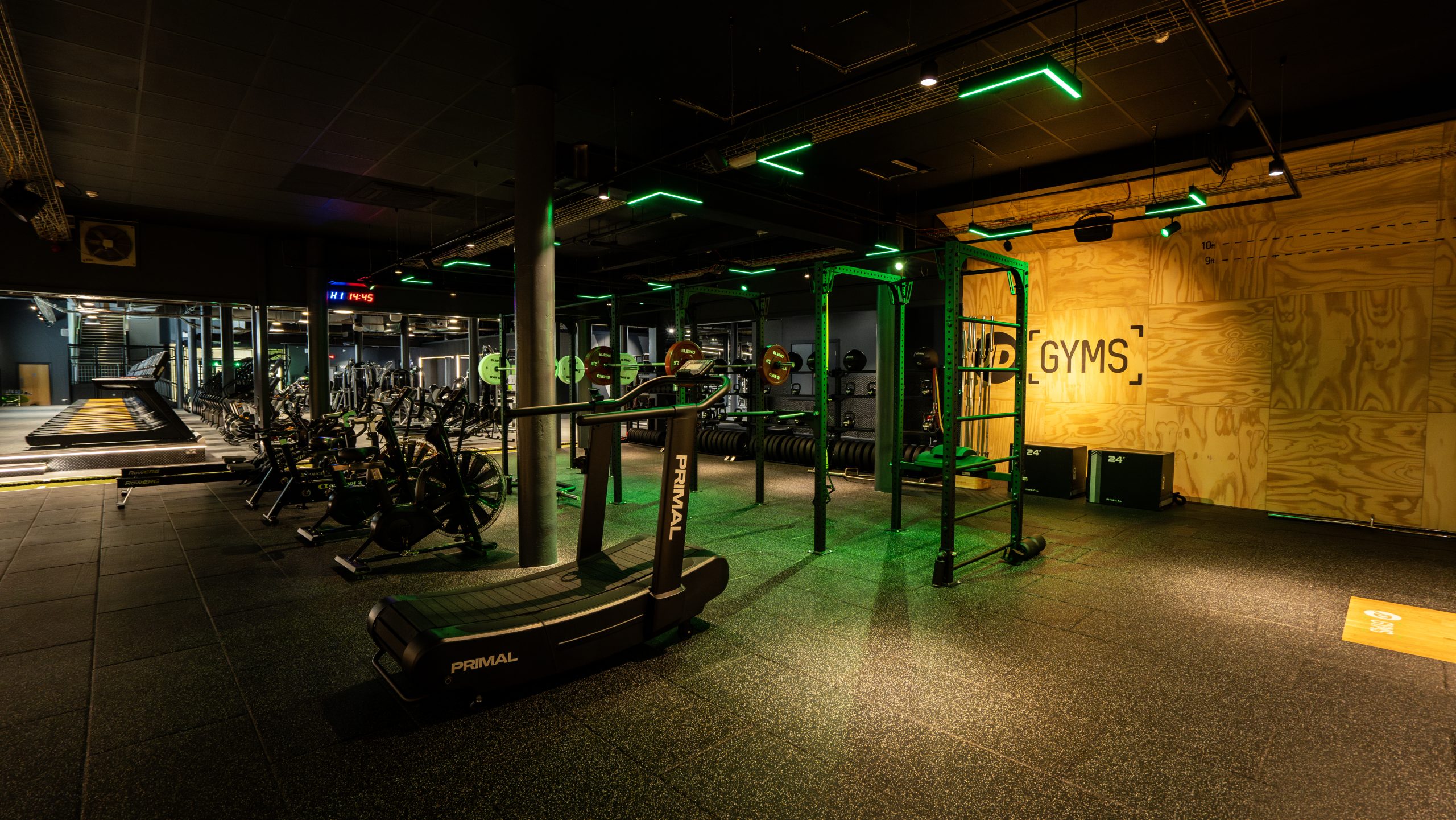
Functional Fitness
By redesigning former class/studio space into a brand new fucntional zone with equipment‑heavy, the build shows how gym layouts should remain adaptable to changing user demands and demographics.
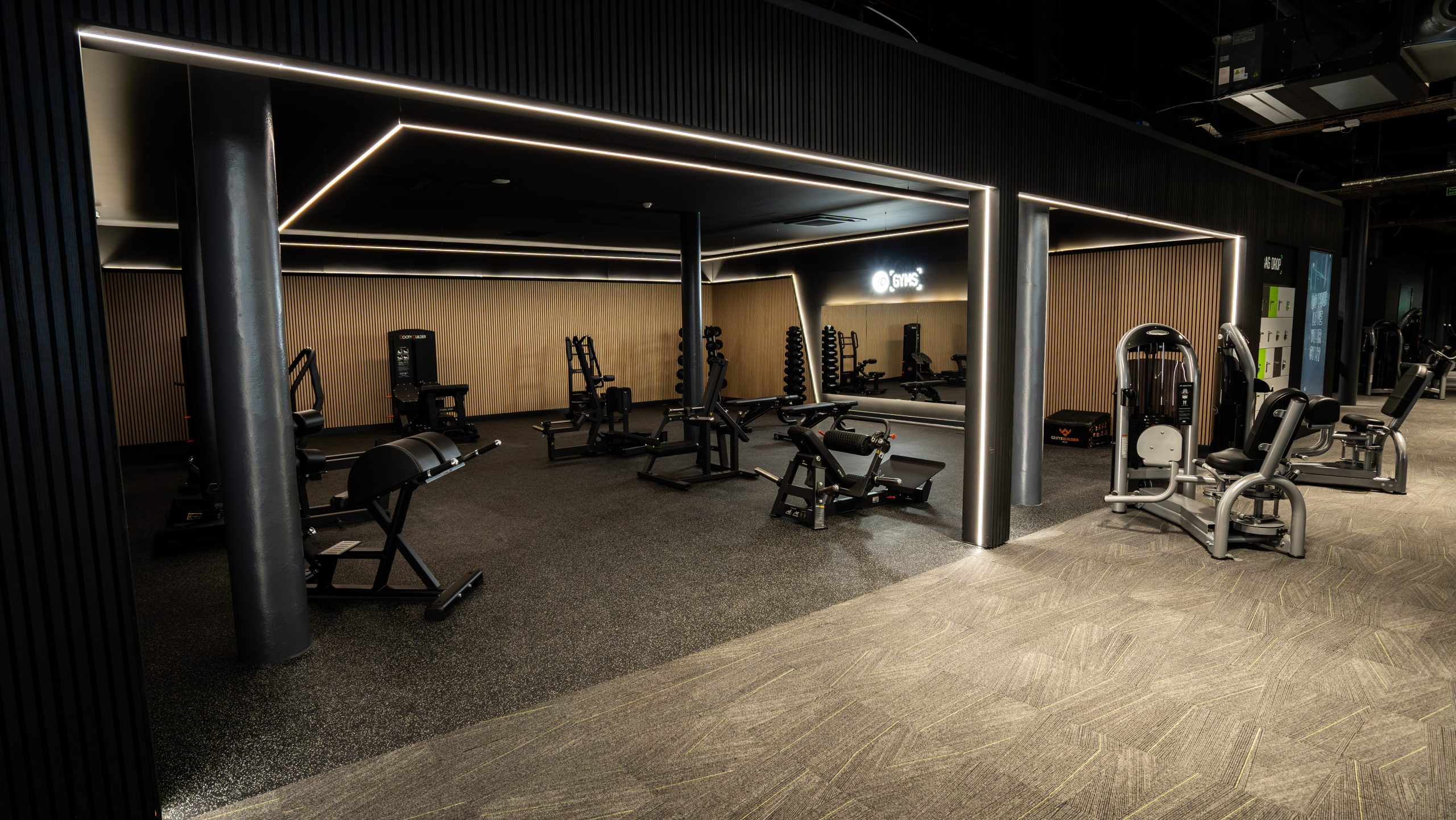
Booty Builder
Creating a new Glute zone in the old spin room allows the space to be used all hours of opening rather than restricting it to class times only, meaning the members get more bang for their buck.
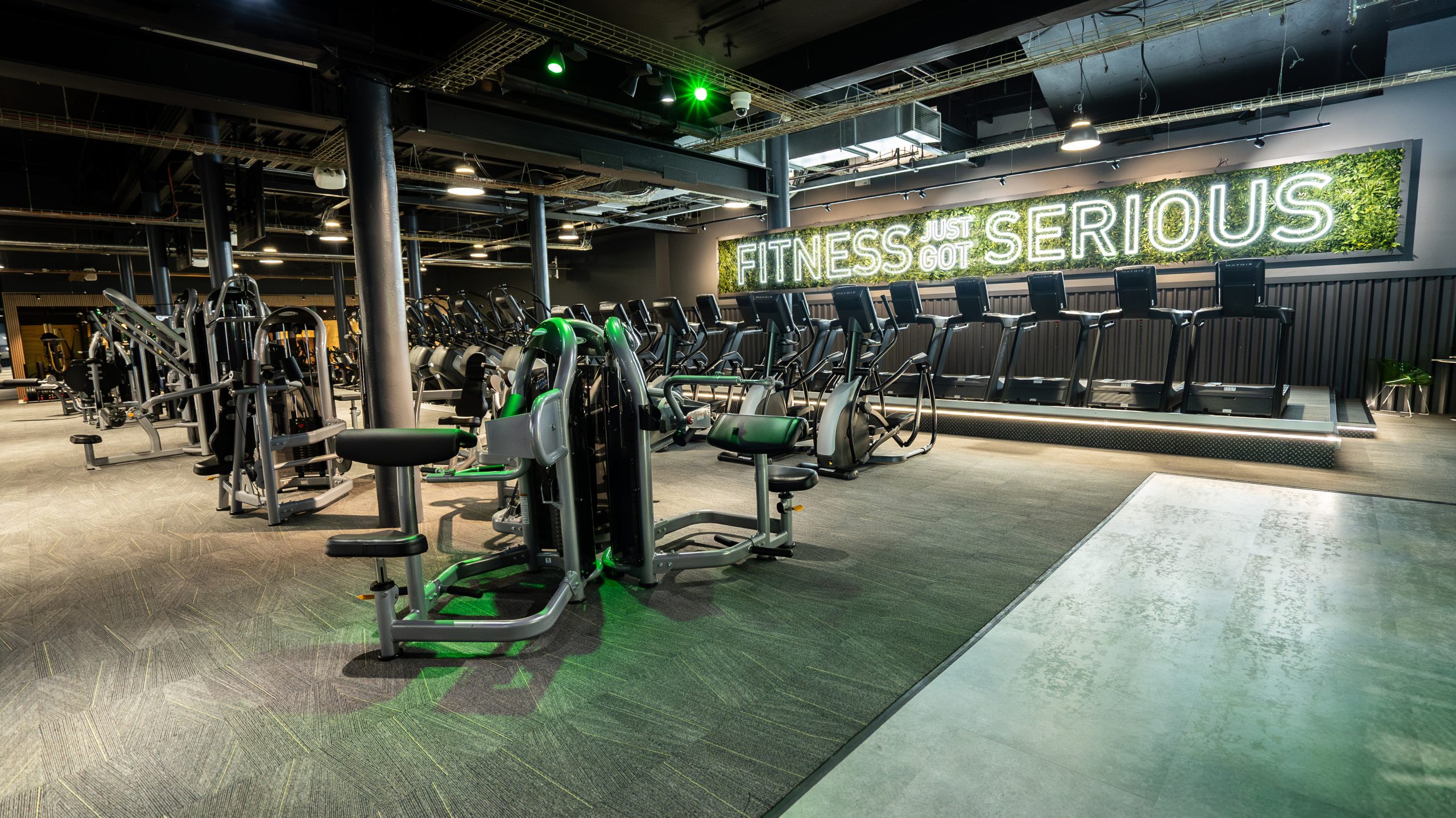
JD Gyms Manchester occupies a central city‑centre location (Bridgewater House, Whitworth Street, M1 6LT), providing easy access for a dense urban population and commuters. This positioning places it well for high footfall, but also means the design and build had to make efficient use of space, balancing usable gym zones with circulation, changing facilities, and support amenities — a challenge common to inner‑city gym developments.
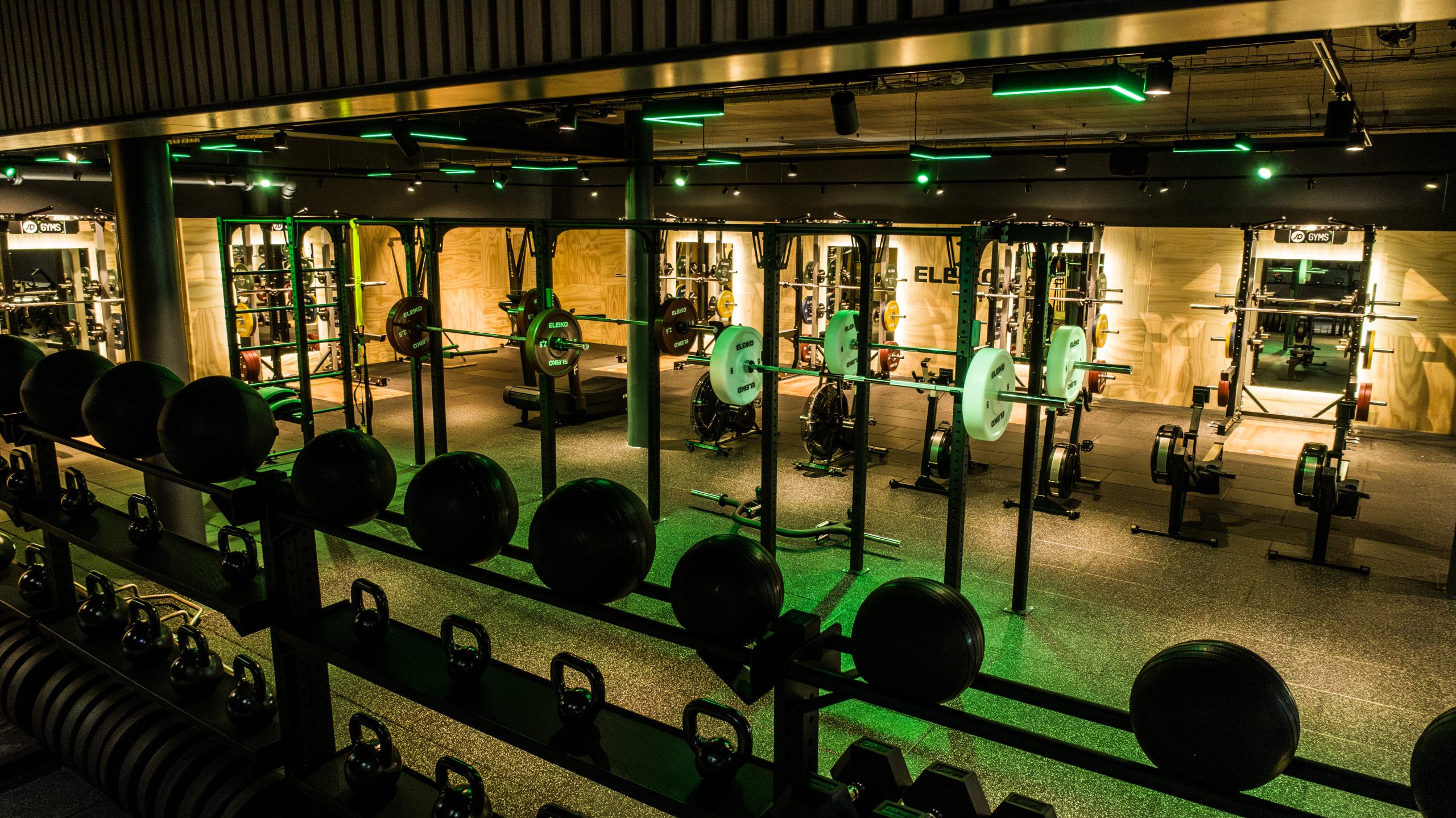
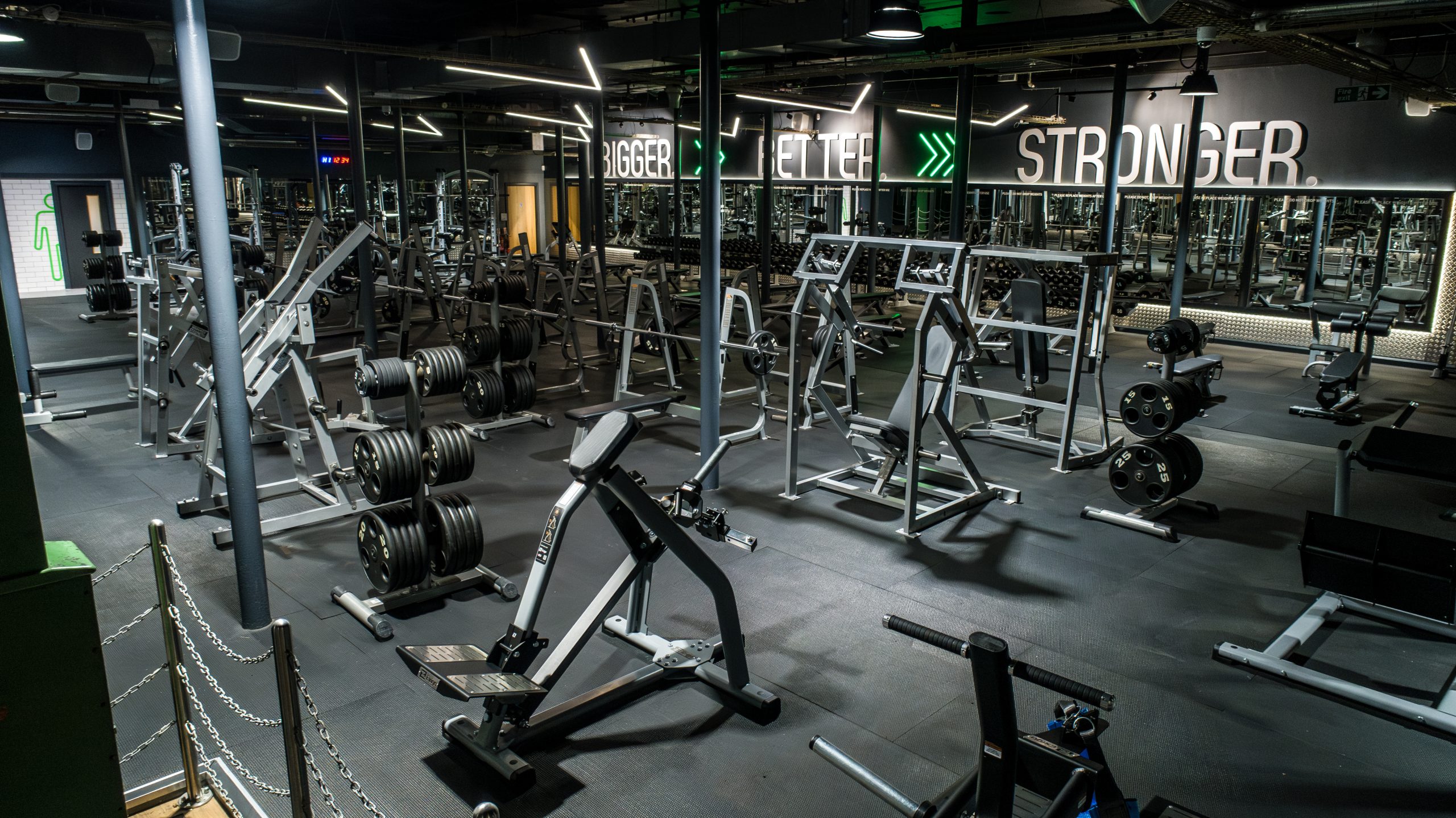
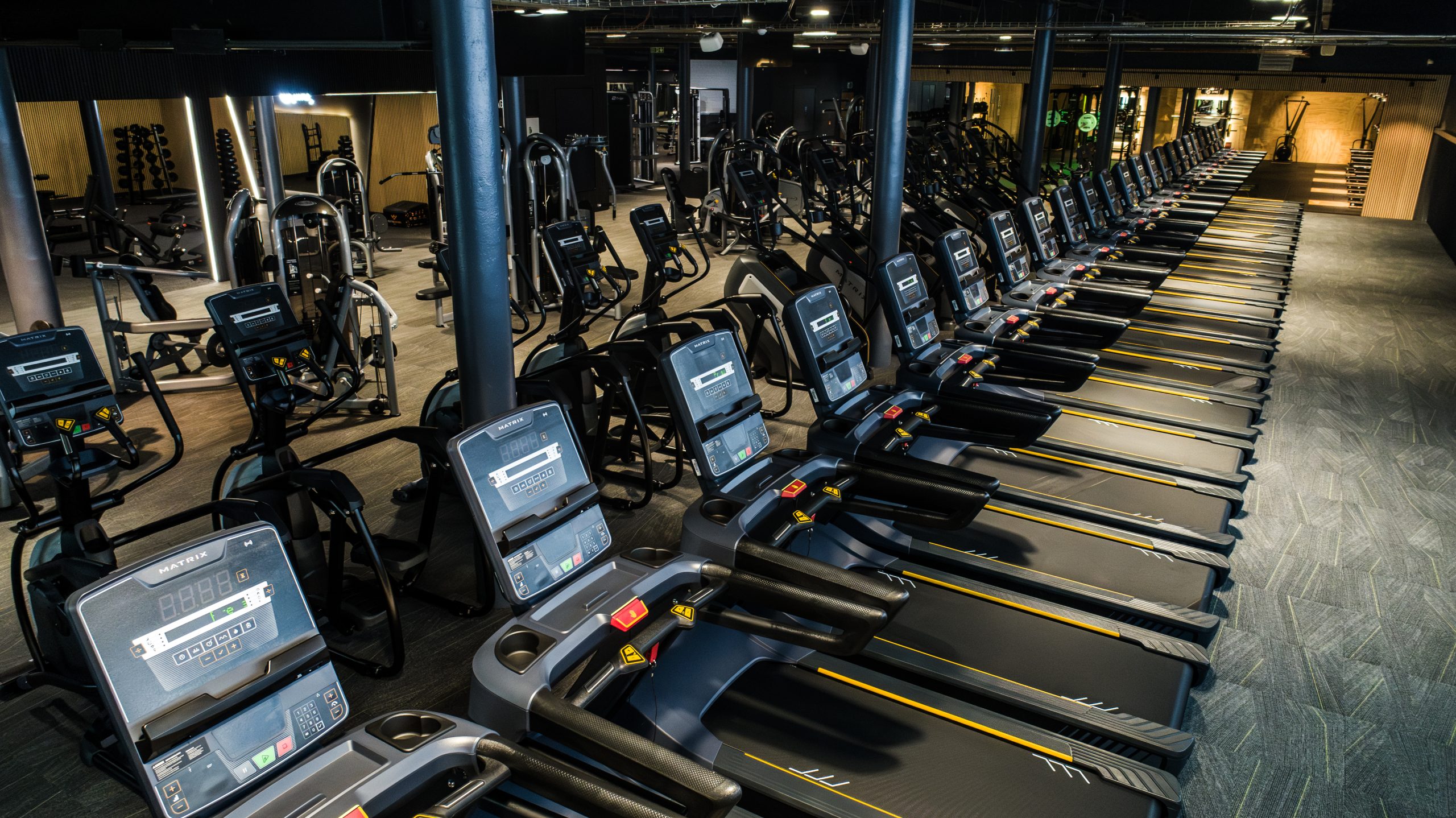
At its heart, the Manchester site was recently refurbished to upgrade both equipment and interior finishes, demonstrating a full redesign of the gym floor, kit layouts, and facility standard. The refurbishment included a substantial investment in kit — from cardio machines to free weights, plate‑loaded machines, and a dedicated functional training zone with a full complement of Olympic‑spec kit. This shows a clear design decision to prioritise weight training and functional strength work alongside traditional cardio, appealing to serious gym‑goers and strength‑oriented clients.
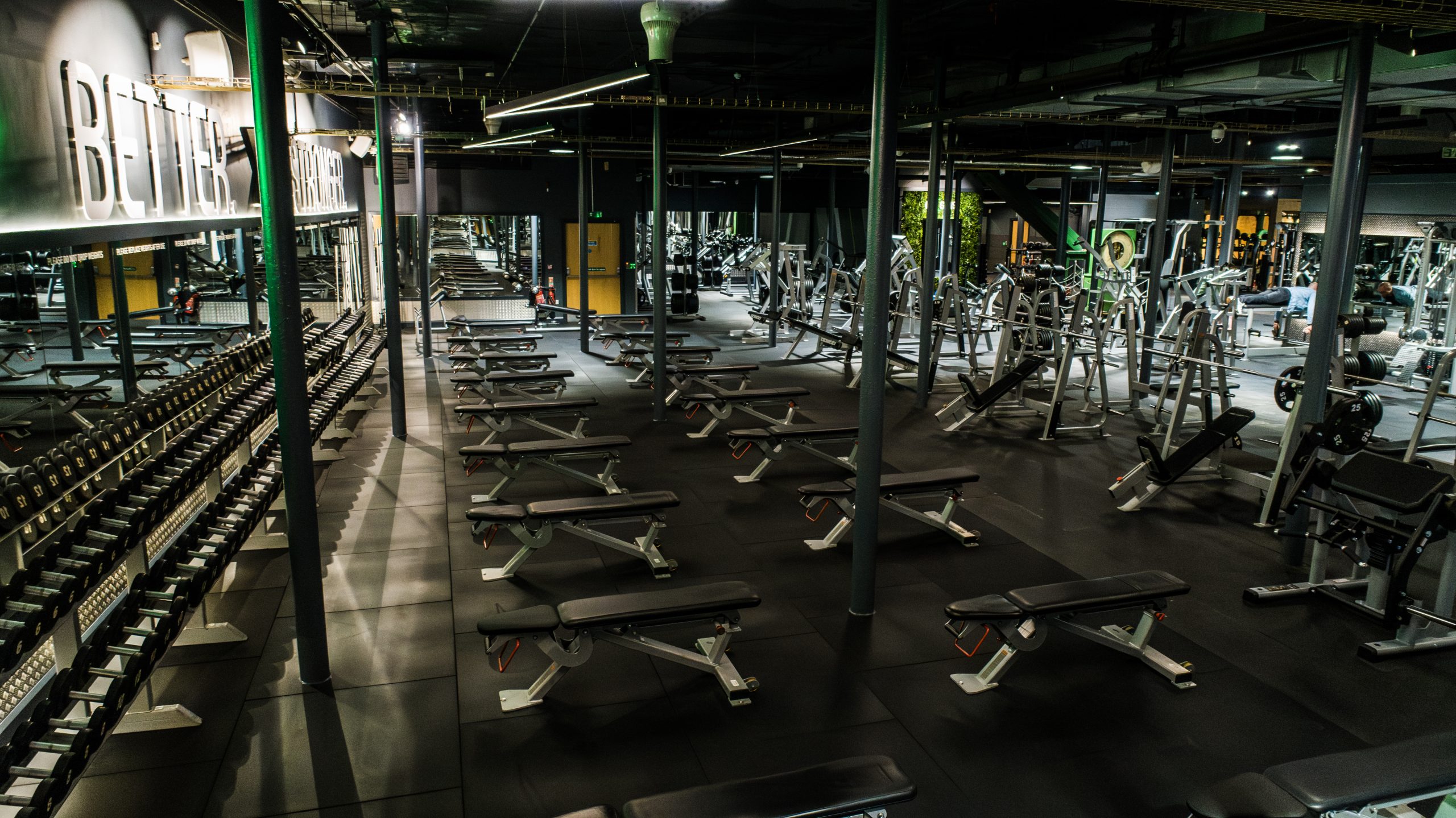
To handle the heavy mix of equipment and likely peak‑time occupancy, the layout strategy emphasised zoning: separate areas for cardio, free weights, plate-loaded machines, functional / Olympic lifting rigs, and a glute‑focused zone. This compartmentalisation helps manage user flow and reduces interference between different workout styles — an important consideration for high‑density gyms where avoiding bottlenecks and ensuring safety is key.
Support infrastructure was also a core part of the build. The club provides luxury changing rooms, showers, lockers and sauna facilities — amenities that elevate the user experience beyond just gym‑floor access. The design and build therefore had to include robust M&E (mechanical, ventilation, plumbing for showers and sauna), durable flooring and surfaces to withstand heavy gym wear, plus thoughtful circulation and facility design to connect gym‑floor, changing, and amenity zones smoothly.
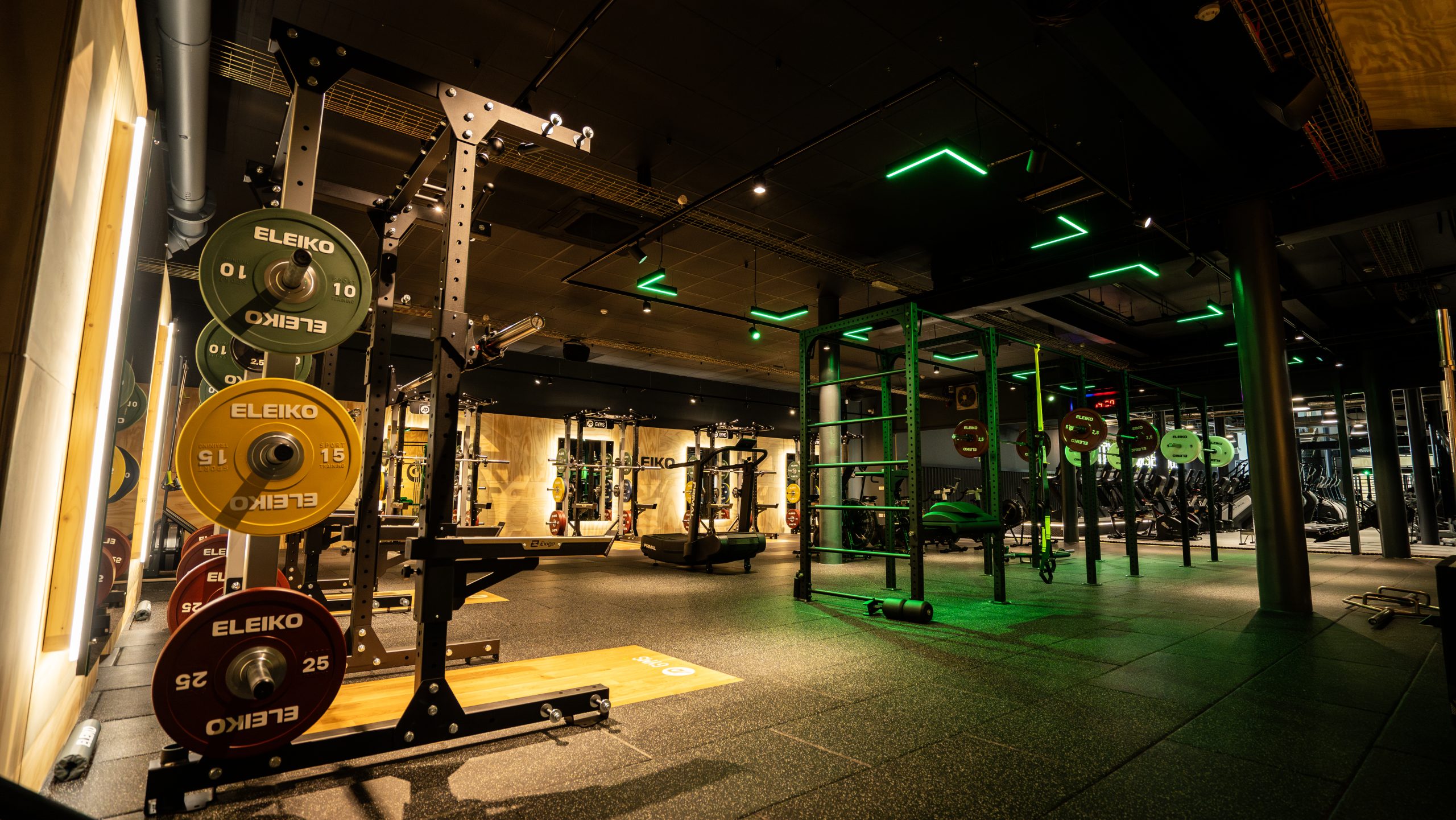
The refurbishment also reflects a shift in gym‑floor strategy away from large class‑studio spaces toward strength / weights / functional training — likely responding to member demand. Some user feedback mentions that group‑class studios and earlier amenities were removed to make space for more weights and functional rigs. As a design & build team, this underlines the importance of flexibility — designing gyms that can pivot layout and equipment mix without costly structural changes, to meet changing demand profiles.
Overall, JD Gyms Manchester serves as a relevant reference project: a high‑density, urban gym renovation combining efficient space use, diverse training zones, quality equipment, and amenity integration. For a contractor, it demonstrates the viability of city‑centre gyms when carefully planned — even under spatial constraints — and highlights the need for flexible, robust design and infrastructure.